Land Big Southern Flounder Chincoteague VA
Southern Flounder Fishing in Chincoteague - What to Expect

Fishing, Tours Adventures by Captain James Cooper in May
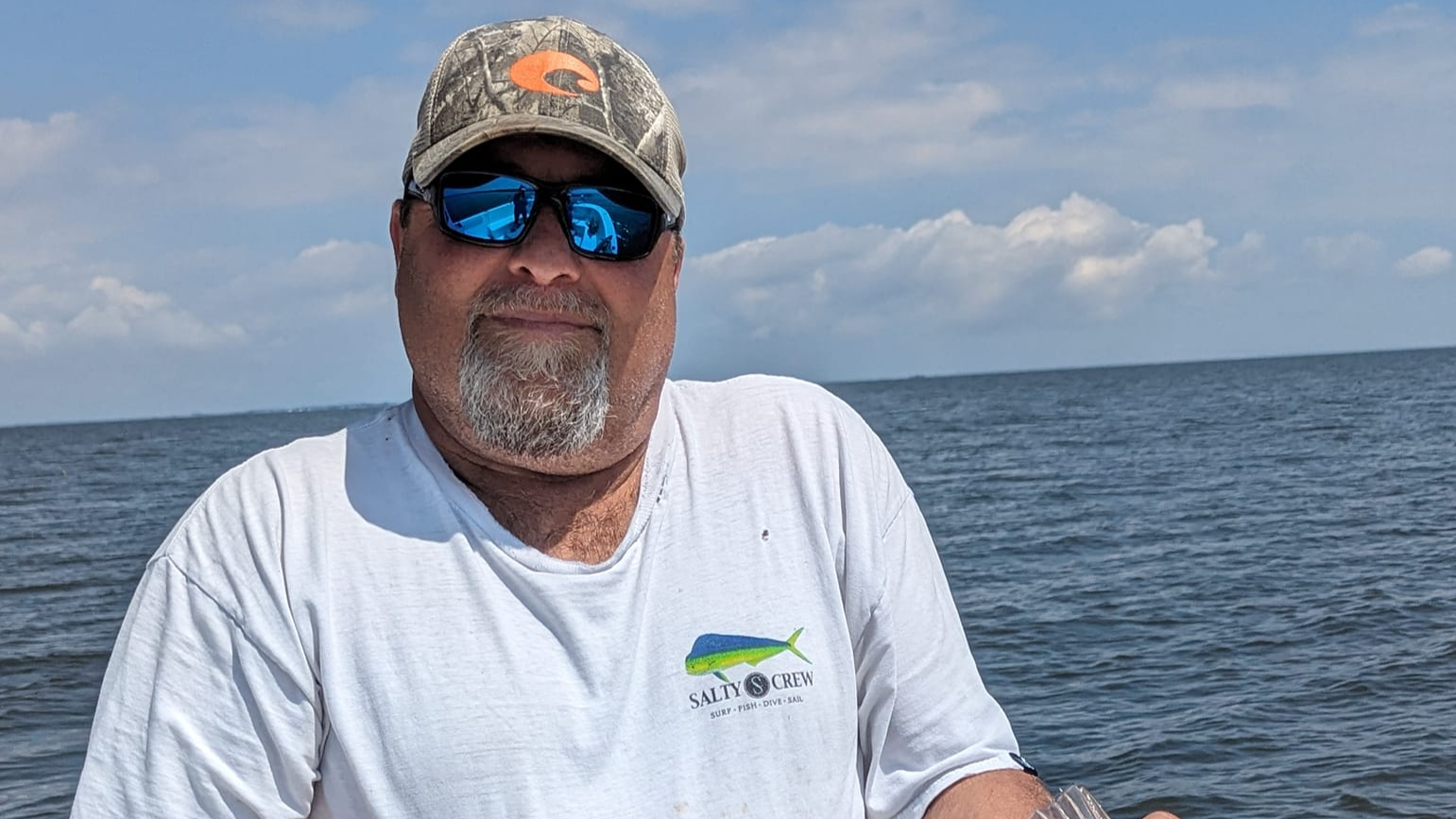
- Chincoteague VA Flounder Fishing Charter


Summary
Fishing adventures in Chincoteague, VA reveal why southern flounder remains a prized catch for both seasoned and new anglers. On this Tuesday in May, the waters delivered exactly what we came for - a solid connection with one of the region's most sought-after bottom dwellers. Shore Chaos Charters and Captain James Cooper know these coastal waters well, and it showed.
Fishing with Captain James Cooper - Rates & Booking
Captain James Cooper of Shore Chaos Charters led this fishing adventure on Tuesday, May 20th. When targeting southern flounder in Chincoteague's waters, having local knowledge makes all the difference. This charter experience combines the pursuit of bottom-feeding flatfish with the coastal environment that makes this region productive year-round.
To book your own fishing adventure with Shore Chaos Charters, contact them directly to discuss available dates, group size, and what's included with your charter. Captain Cooper works with anglers of all experience levels, whether you're looking for a focused fishing day or a broader coastal exploration.
Highlights of Southern Flounder Fishing
Southern flounder represent some of the most rewarding catches in Chincoteague's ecosystem. These fish are bottom-dwellers that require precise technique and patience, making the moment of connection particularly satisfying. The shallow to moderate depths where they inhabit offer consistent opportunities throughout the warmer months.
The visual reward of landing a flounder - seeing that distinctive flat body come into view - creates a memorable moment that defines a successful fishing day. Chincoteague's protected waters and varied bottom structure provide ideal conditions for this pursuit.
Local Species Insights: Southern Flounder
Southern flounder are masters of camouflage and ambush predation. These bottom-dwelling fish spend much of their time partially buried in sand and mud, waiting for small fish and crustaceans to pass within striking distance. Their flattened body shape and ability to change color to match their surroundings make them nearly invisible on the seafloor.
In Chincoteague waters, flounder occupy channels, flats, and areas with mixed bottom composition. They prefer slightly deeper sections near drop-offs where they can transition between shallow hunting grounds and deeper refuges. Water temperature, tidal movement, and baitfish availability all influence where flounder congregate on any given day.
The fishing technique centers on presenting live or cut bait near the bottom, often using a simple rig that keeps offerings in the strike zone. The bite itself is typically deliberate - a flounder moves to engulf prey rather than striking aggressively. This creates a specific feel at the rod that experienced anglers learn to recognize and respond to with a firm hookset.
Seasonal patterns matter too. Spring and fall transitions bring flounder into shallower areas as water temperatures stabilize. Summer heat pushes them deeper, while winter cold sends them toward deeper channels where temperatures remain more constant. Understanding these movements helps anglers plan productive fishing days.
The experience of fishing for flounder in Chincoteague extends beyond the individual catches. The coastal scenery, changing light throughout the day, and rhythm of tidal waters create the backdrop for this pursuit. Whether you connect with a fish or spend the day observing how the environment changes, the time on the water delivers value that goes beyond the final count.
Fishing in Chincoteague: Southern Flounder
Southern Flounder Overview
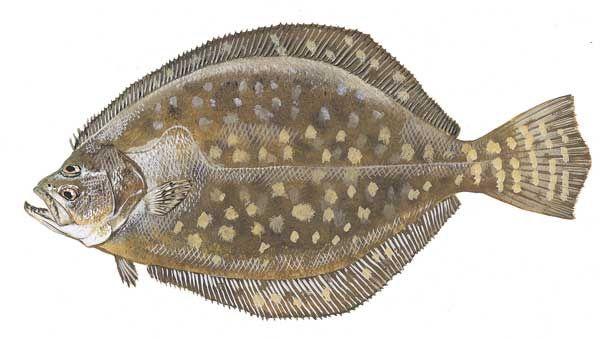
The Southern Flounder (Paralichthys lethostigma) is a fascinating member of the Paralichthyidae family within the order Pleuronectiformes. What makes this flatfish truly remarkable is its distinctive asymmetrical eye placement—both eyes positioned on the left side of its head—and its remarkable ability to camouflage itself against sandy and muddy bottoms. These bottom-dwelling ambush predators are native to coastal waters across the Atlantic seaboard and Gulf of Mexico, making them a favorite target for both recreational and commercial anglers. Unlike their close cousin the Summer Flounder, Southern Flounders display numerous light and dark blotches rather than the oscillating spot patterns found on other flounder species. Whether you're casting lines near coastal channels or exploring estuaries, encountering this skilled predator is a genuine thrill that keeps anglers coming back season after season.
Southern Flounder Habitat and Distribution
Southern Flounders thrive in shallow coastal marine environments spanning from the Atlantic seaboard down through the Gulf of Mexico. You'll find them inhabiting sandy, rocky, or muddy bottoms in bays, rivers, lakes, estuaries, and inshore channels where they can easily ambush unsuspecting prey. These fish prefer staying in water shallow enough to maintain their bottom-dwelling lifestyle, which makes them accessible to shore-based and small boat anglers alike. During winter months, most adult specimens migrate offshore to deeper, warmer waters, so timing your fishing trips accordingly can significantly impact your success rates. The species thrives in areas with strong tidal currents and rich prey populations, making river mouths and coastal channels particularly productive fishing zones.
Southern Flounder Size and Weight
Southern Flounders typically range from 12 to 18 inches in length, with exceptional specimens stretching up to 33 inches or more. The average catch weighs around 1 to 4 pounds, which makes for excellent table fare and enjoyable sport on light-to-medium tackle. However, the all-tackle weight record stands at an impressive 20 pounds 9 ounces, proving that genuine trophy-sized flounders do exist for patient and skilled anglers willing to pursue them. Size varies considerably depending on habitat quality, water temperature, and food availability, with offshore populations generally producing larger specimens than their inshore cousins.
Southern Flounder Diet and Behavior
These masterful hunters are ambush predators that spend much of their day buried beneath sand or mud on the seafloor, waiting for unsuspecting prey to swim overhead. Their primary diet consists of worms, shrimp, blue crabs, and smaller fish species including anchovies, menhaden, and mullets. What's truly impressive is their ability to change color and pattern to perfectly match their surrounding substrate, effectively becoming invisible to both prey and predators. This chameleon-like adaptation is one of nature's most effective hunting strategies. Southern Flounders exhibit anguilliform swimming patterns, using their bodies and caudal fin to move gracefully through water despite their flattened body shape. Behaviorally, they're most active during tidal movements when increased water flow brings more food opportunities within striking distance.
Southern Flounder Spawning and Seasonal Activity
Female Southern Flounders demonstrate remarkable reproductive capacity, capable of releasing up to 9,000 eggs during a single spawning event. Spawning typically occurs during late fall and winter months, with larvae drifting into estuaries and shallow bays as nursery grounds throughout spring and early summer. Juvenile flounders grow rapidly in these nutrient-rich nurseries before gradually moving to deeper offshore waters as they mature. Males exhibit notably shorter lifespans compared to females, typically living only three years maximum, while females can reach considerably older ages. This pronounced sexual dimorphism in lifespan makes protecting breeding populations especially important for long-term fishery sustainability.
Southern Flounder Techniques for Observation or Capture
Still Fishing and Drift Fishing: The most effective method involves still fishing or drift fishing directly over known flounder habitat on sandy or muddy bottoms. Position your boat in channels or along drop-offs where these fish congregate. Use a single-hooked slip lead or free-line rig with heads ranging from 1/4 to 3/8 inches. Light-to-medium rod and reel combinations spooled with 10-pound test line work perfectly. Cast your rig uptide and maintain bottom contact, feeling for the characteristic tap-tap-tap of a feeding flounder.
Live Bait Presentation: Bull minnows, mullets, and live shrimp represent the gold standard baits for Southern Flounders. Present these offerings on the bottom where flounders hunt, allowing natural movement to trigger strikes. Around coastal areas like the Louisiana bayous or North Carolina sounds, fresh live shrimp often outperforms all other baits, particularly during peak tidal movements.
Fly Fishing: For a more engaging challenge, try fly fishing with medium-weight lines and small streamer patterns that mimic baitfish. Cast along channel edges and drop-offs, then execute slow, pulsing retrieves near the bottom. This technique works particularly well in shallower estuarine waters where sight-casting is possible.
Southern Flounder Culinary and Utilization Notes
Southern Flounder ranks among the finest eating flatfish available to anglers, featuring delicate, mild white meat with excellent flavor and tender texture. The meat cooks beautifully whether pan-seared, baked, or deep-fried, making it a favorite at both family dinners and upscale restaurants. A single 2-3 pound flounder provides a satisfying meal for two people, while larger specimens offer enough fillets for family gatherings. The high-quality protein, low fat content, and absence of strong fishy flavors make this species appealing even to seafood skeptics. From a sustainability perspective, recreational harvest at reasonable levels remains sustainable in most regions, though always check local regulations and size limits before keeping your catch.
Southern Flounder Frequently Asked Questions
Q: What is the best bait for catching Southern Flounder?
A: Live bull minnows, mullets, and shrimp consistently outperform artificial offerings. Fresh live shrimp typically produces the highest success rates, particularly during moving tide periods when flounders actively feed. The key is presenting your bait directly on the bottom where these ambush predators hunt.
Q: How do I distinguish a Southern Flounder from a Summer Flounder?
A: The most reliable distinguishing feature is the spot pattern on the dark side. Southern Flounders display numerous light and dark blotches and irregular spots, while Summer Flounders exhibit more uniform, oscillating spot patterns. Additionally, Southern Flounders typically have less developed pectoral fins compared to their cousins.
Q: When is the best time to catch Southern Flounder?
A: Spring through early fall offers excellent opportunities as fish remain in shallower inshore waters. Winter months see most flounders migrating offshore to deeper refuge, making them harder to access from shore. Tidal movements create peak feeding windows, so fish moving tides whenever possible for maximum productivity.
Q: Are Southern Flounders good to eat?
A: Absolutely—they rank among the finest-tasting flatfish available. The delicate white meat offers mild flavor and tender texture, cooking beautifully through multiple preparation methods. A 2-3 pound flounder provides an excellent meal, while larger specimens offer abundant fillets for family dining.
Q: What fishing techniques work best for Southern Flounder?
A: Still fishing and drift fishing over bottom habitat produce the most consistent results. Position your boat in channels or along defined drop-offs, maintaining bottom contact with your rig. Light-to-medium tackle spooled with 10-pound test line provides excellent sensitivity for detecting the subtle takes these bottom feeders produce.
Q: Can I sight-cast to Southern Flounder in shallow water?
A: Yes, in clear shallow estuaries and bays you can occasionally spot feeding flounders and cast to them directly. However, their excellent camouflage makes spotting them challenging. Fly fishing with streamers works well in these situations, though traditional bottom-fishing techniques remain more consistently productive.