%2Ffit-in%2F250x250%2Fguide_websites%2F119300%2Fimages%2F1770947020699unnamed.jpg&w=1920&q=100)
Sandbar Shark Release in Chincoteague VA
Sandbar Shark Fishing in Chincoteague - What to Expect
%2F%2Fusers%2F861ca03f-bd49-4bad-96f7-4c82dc2720b0%2Fimages%2Fsandbar-shark-chincoteague-fishing-2584.jpeg&w=1920&q=75)
Fishing, Tours Adventures by Captain James Cooper in July
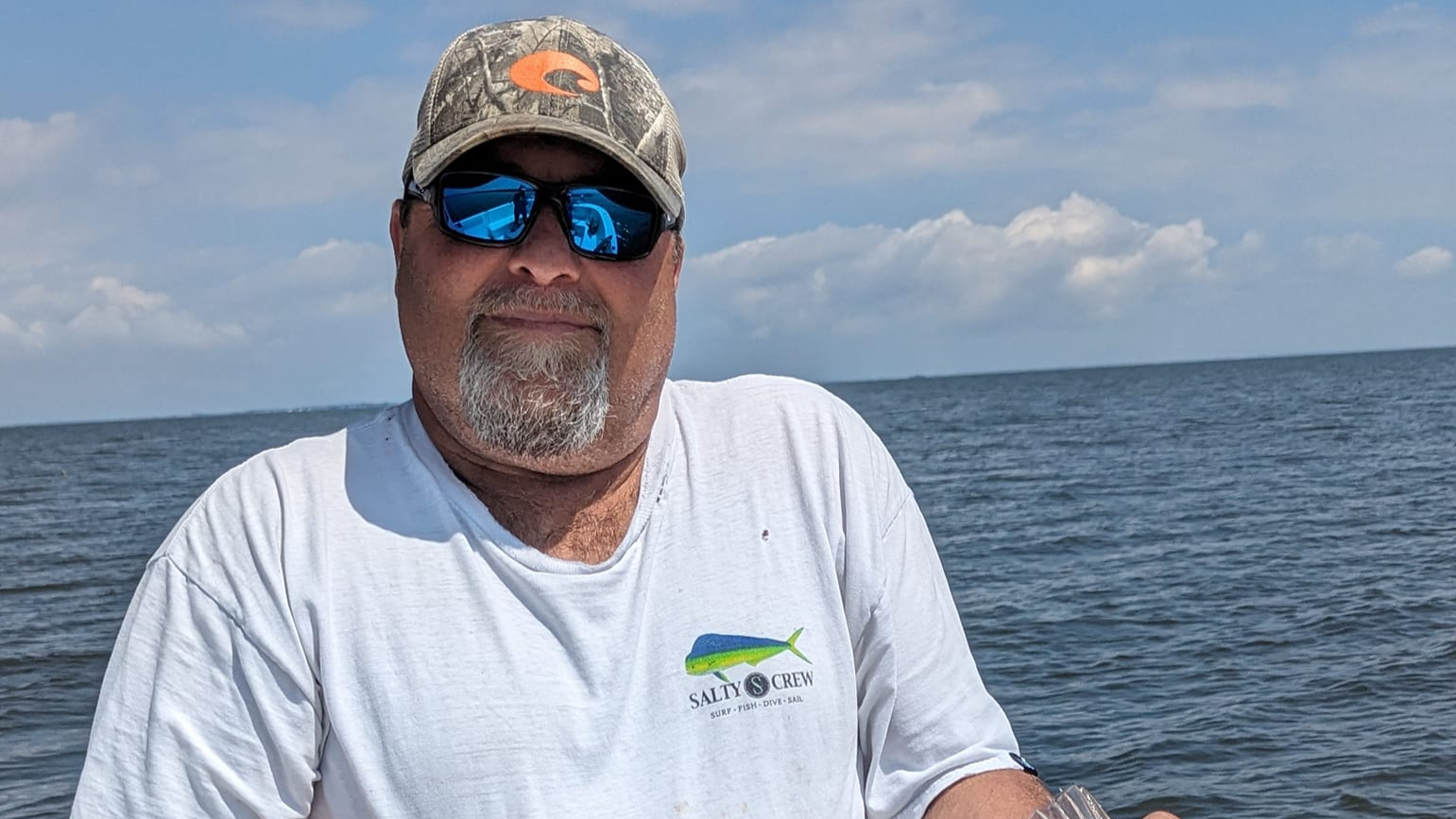
- Chincoteague VA Flounder Fishing Charter


Summary
Catch the adrenaline rush of landing and releasing sandbar sharks on a Fishing and Tours Adventures trip in Chincoteague, VA. This dynamic Tuesday in July brings anglers face-to-face with powerful Atlantic predators in legendary Virginia waters, combining technical skill with respect for marine wildlife.
Shark Fishing with Captain James Cooper - Rates & Booking
Captain James Cooper of Shore Chaos Charters on Tuesday, July 21st delivers an unforgettable encounter with one of the Atlantic's most formidable sharks. Sandbar sharks demand respect, skill, and preparation - this trip puts you face-to-face with raw power and incredible action from the moment you hook up.
Shore Chaos Charters specializes in these high-octane shark encounters. Captain Cooper brings years of local expertise navigating Chincoteague's prime shark waters, reading conditions, and positioning you for success. The thrill starts the moment your line screams - these sharks fight hard, run fast, and test every ounce of your technique and strength.
Contact Shore Chaos Charters to reserve your spot and lock in your shark adventure. Ask about current rates, available dates, and what gear is included in your trip package. Book online or call to discuss trip details and confirm your fishing experience.
Highlights of Shark Fishing Adventures
The moment a sandbar shark hits your bait, the game shifts into high gear. These sharks are aggressive hunters with explosive power, and you'll feel every bit of it through the rod. Landing one takes stamina and precision - there's no room for error. When the fish finally comes boat-side, the payoff is undeniable: a muscular predator perfectly adapted for hunting, with intensity in every movement.
The release is equally thrilling. Watching a powerful sandbar shark slip back into the dark Atlantic waters, fully intact and ready to hunt again, hits different. It's not just catch-and-release - it's a moment of pure respect between angler and animal. The Chincoteague waters are home to these sharks, and every successful release adds to the legend of what swims beneath the surface here.
Local Species Insights: Sandbar Sharks
Sandbar sharks are apex predators in Chincoteague's coastal waters, and they earn that title through sheer aggression and hunting prowess. These sharks typically range from 4 to 8 feet long, though larger specimens push past that mark. Their stocky, muscular build and prominent dorsal fin make them instantly recognizable - and instantly exciting when they take your bait.
What makes sandbars so intense is their behavior. They're bottom feeders that cruise shallow and medium-depth waters, aggressive strikers that hit hard and run harder. Once hooked, they don't give up without a fight. Their teeth are designed for tearing and gripping, and their muscle density means they've got endurance you won't believe. When you're fighting a sandbar, you're not just fighting a fish - you're battling a machine built by millions of years of evolution.
Chincoteague waters offer ideal conditions for sandbar sharks, especially during summer months. The bay systems, nearshore channels, and deeper Atlantic edges create a patchwork of habitats where these predators hunt baitfish and small rays. Captain Cooper knows where they congregate, when they feed most aggressively, and how to position the boat for maximum success. Every cast puts you in the strike zone.
The release itself serves an important purpose. Sandbar sharks play a crucial role in maintaining ecosystem balance, and catch-and-release fishing ensures these populations stay healthy and strong. It's fishing with purpose - you get the adrenaline-soaked fight, the story, and the satisfaction of knowing the shark lives to hunt another day.
When you fish for sandbars in Chincoteague, you're participating in a tradition that spans generations. Local anglers have been targeting these sharks for decades, honing techniques and building knowledge that gets passed down. Captain Cooper draws on that legacy while delivering a modern, thrilling experience that respects both the fish and the fishery.
Fishing in Chincoteague: Sandbar Shark
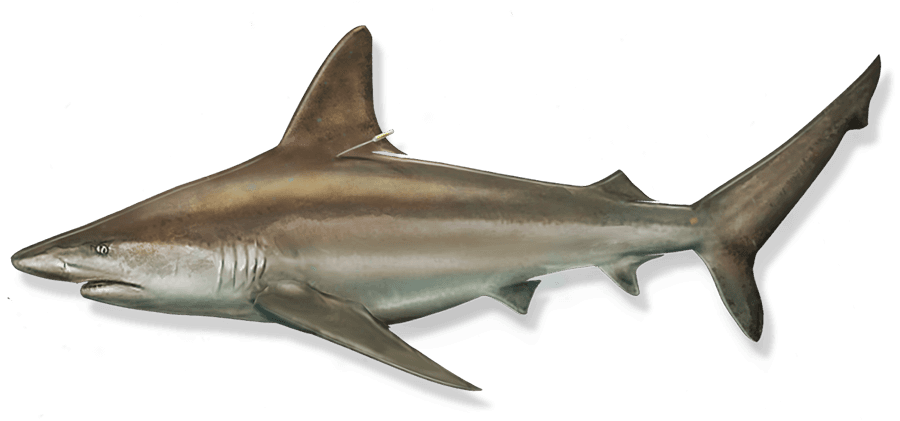
Sandbar Shark Overview
The Sandbar Shark (Carcharhinus plumbeus) is one of the most impressive coastal sharks you'll encounter, belonging to the family Carcharhinidae and order Carcharhiniformes. What makes these sharks stand out is their unmistakable tall dorsal fin and unique interdorsal ridge—a feature most other sharks don't possess. These heavy-bodied predators are known for their striking brown or gray coloration contrasted by a white underbelly, and they're close cousins to Bull Sharks, Bignose Sharks, and Dusky Sharks. If you're exploring coastal waters from Florida to Hawaii or anywhere along the Atlantic, you might just cross paths with one of these remarkable creatures, which can live 35 to 41 years in the wild.
Sandbar Shark Habitat and Distribution
Sandbar Sharks earned their name honestly—they absolutely love sandy flats, bays, and estuaries where they can hunt and rest. These sharks are primarily found throughout the Western Atlantic, thriving in temperate waters, though they occasionally migrate to the Eastern Atlantic. You'll find populations ranging from the Persian Gulf and Red Sea to East and South Africa, and they even venture to the Hawaiian Islands and Galapagos. Rather than patrolling shallow surface waters, Sandbars prefer staying near continental shelves and oceanic banks at depths between 60 and 200 feet, where they can hunt efficiently while remaining relatively hidden from larger predators.
Sandbar Shark Size and Weight
Size varies between males and females in this species—a trait called sexual dimorphism. Males typically max out around 5.9 feet, while females grow considerably larger, reaching 6.6 to 8.2 feet in length. In terms of weight, you can expect these muscular sharks to range from approximately 143 to 260 pounds, with larger females pushing toward the upper end of that spectrum. Some exceptional individuals may exceed these averages, but these measurements represent what most anglers and researchers encounter when studying or fishing for Sandbar Sharks in their native habitats.
Sandbar Shark Diet and Behavior
These apex hunters are opportunistic feeders with diverse tastes, consuming bony fishes, eels, skates, and dogfish alongside crabs, octopuses, squids, and shrimps. They rely heavily on their acute sense of smell to locate prey, a hunting strategy that makes them predictable and catchable for anglers. Behaviorally, Sandbar Sharks are known for their powerful, determined runs when hooked—they'll grab bait and immediately attempt to drag it downward, testing your equipment and resolve. Unlike their more aggressive cousins, these sharks are not dangerous to humans and typically avoid confrontation. However, they do face predation from larger sharks like Tigers and occasionally Great Whites, which keeps them vigilant despite their impressive size.
Sandbar Shark Spawning and Seasonal Activity
Reproduction in these sharks occurs on a slow cycle—females reproduce only every 2 to 3 years, which contributes to their vulnerability in heavily fished areas. This extended reproductive interval means populations take longer to recover from overfishing pressure, making sustainable practices essential. Seasonal activity patterns vary by region; in temperate Atlantic waters, Sandbar Sharks tend to migrate toward deeper waters during winter months and return to shallower coastal zones as water temperatures warm in spring and summer. Understanding these migration patterns is key to planning successful fishing trips or observation expeditions.
Sandbar Shark Techniques for Observation or Capture
Method 1: Heavy Tackle Shark Rigging — For serious anglers targeting Sandbar Sharks, heavy equipment is non-negotiable. Use at least 65-pound test line paired with a properly constructed Shark Rig featuring crimps, a large 9/0 or 12/0 hook, and a 200-pound minimum swivel. Fresh, live bait is essential; the best options include Bluegill (easy to find and oily), skates, eels, sea bass, squid, and crustaceans. Cast near continental shelves and oceanic banks where these sharks hunt, and be prepared for an intense fight—once hooked, they'll test your equipment severely.
Method 2: Scent-Based Attraction — Since Sandbar Sharks hunt primarily by smell, position yourself downcurrent from your target location and use highly aromatic baits. Bluegill and fresh mullet create excellent scent trails that draw sharks from considerable distances. Fish during slack or incoming tides when scent dispersal is most effective, and avoid overly windy conditions that disperse your bait's attractiveness.
Method 3: Coastal Sandy Bottom Fishing — Target shallow sandy areas near river mouths and estuaries where Sandbars naturally congregate. Once hooked, gently lead them toward sandy coastlines where you can safely beach them for tagging or observation. Around coastal Florida and the Carolinas, this technique proves especially effective during summer months when water temperatures peak and sharks move into shallower hunting grounds. Handle all captured sharks gently to avoid their powerful tail strikes, which can cause serious injury.
Sandbar Shark Culinary and Utilization Notes
Sandbar Sharks possess firm, white meat that some regions utilize commercially, though landings have declined due to conservation efforts and declining populations. The meat quality is considered good for consumption, offering reasonable flavor and texture when properly prepared. However, given their slow reproductive rates and vulnerability to overfishing, catch-and-release practices are increasingly recommended. Many modern anglers and conservation organizations advocate tagging and releasing Sandbar Sharks to support population research and recovery initiatives rather than keeping them for consumption. If harvest is legal in your area, verify local regulations and sustainability guidelines before keeping any specimens.
Sandbar Shark Frequently Asked Questions
Q: What is the best bait for catching a Sandbar Shark?
A: Fresh, oily, and aromatic baits work best due to the shark's reliance on smell. Bluegill is highly recommended by experienced anglers because it's easy to source, naturally oily, and produces excellent scent dispersal in water. Skates, eels, sea bass, and fresh squid are excellent alternatives that consistently produce results.
Q: Where can I find Sandbar Sharks near popular fishing destinations?
A: These sharks inhabit continental shelves and oceanic banks throughout the Western Atlantic, with strong populations off Florida, the Carolinas, and the Mid-Atlantic coast. Around Florida's Gulf Coast and along the barrier islands, sandy bays and estuaries host excellent populations during warmer months. They're also found in Hawaii, the Galapagos, and African coastal waters depending on your travel location.
Q: Are Sandbar Sharks dangerous to humans?
A: No, Sandbar Sharks are not dangerous to humans and typically avoid confrontation. They're far less aggressive than Bull Sharks or Tigers. However, when hooked, they can thrash powerfully and accidentally injure anglers with their tails, so careful handling and respect for the animal is essential.
Q: When is the best time to catch a Sandbar Shark?
A: Spring through early fall offers peak opportunities, particularly during summer months when water temperatures are warmest and sharks move into shallower coastal zones. Fish during slack or incoming tides for optimal scent dispersal. Dawn and dusk often produce excellent results as these sharks become more active hunters during low-light periods.
Q: What fishing equipment do I absolutely need?
A: Invest in quality heavy tackle with at least 65-pound test line—don't compromise on gear quality. Pair this with a professionally constructed Shark Rig featuring 9/0 to 12/0 hooks and 200-pound minimum swivels. Cheap equipment will fail under the intense pressure these powerful sharks create during their runs.
Q: How long can Sandbar Sharks live?
A: These remarkable sharks can survive 35 to 41 years in the wild, making them long-lived predators that develop complex behaviors and hunting patterns over their lifetime. This longevity also makes them vulnerable to overfishing since populations cannot quickly replace harvested individuals.